

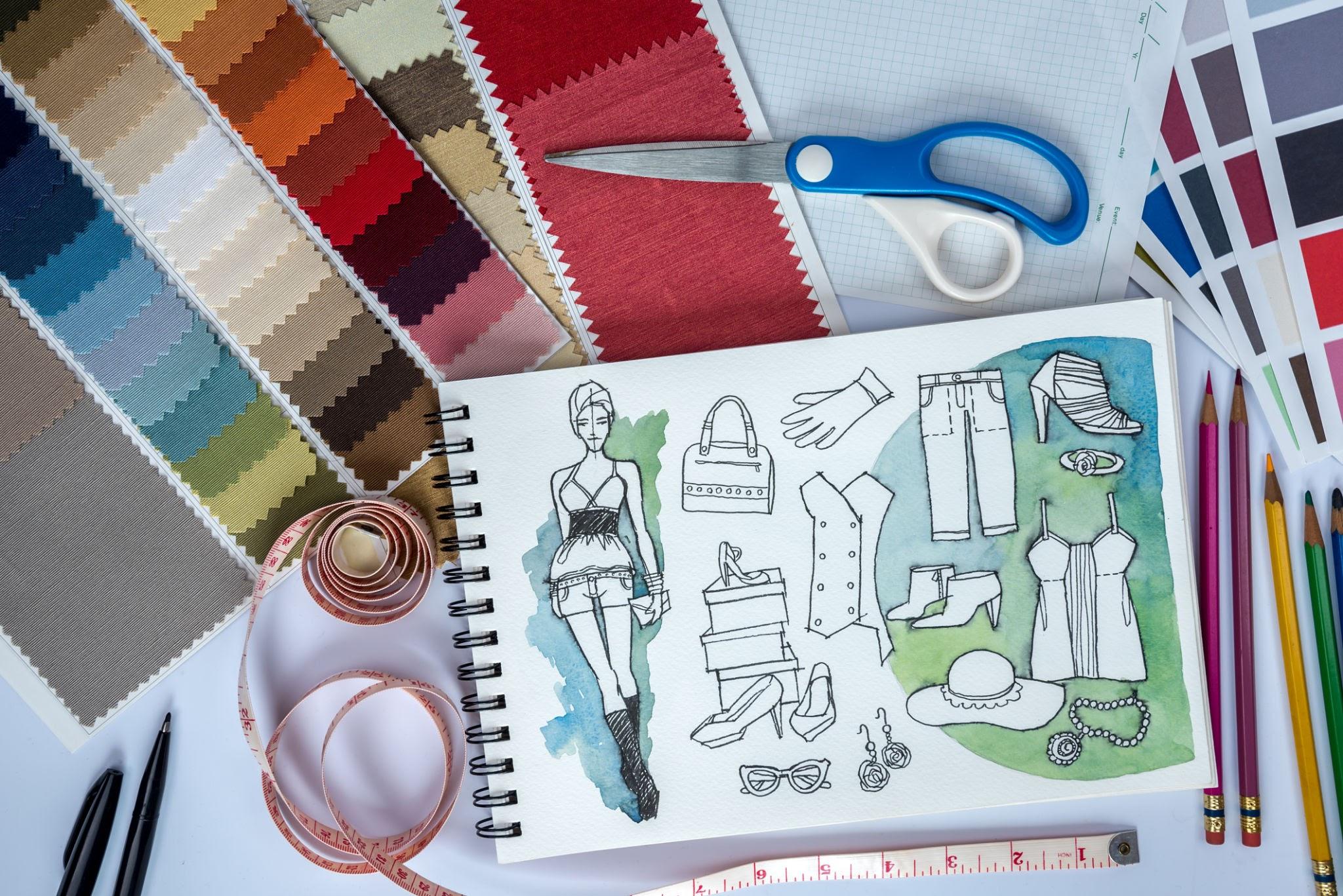
5 Tips for Launching Your First Clothing Line
Author
TelaTrendy Studio
Published
Mar 5, 2026
Starting an independent apparel brand is one of the most creatively liberating journeys in modern design. Yet, behind every standout garment seen in urban centers or curated lookbooks lies a delicate balance between artistic conviction, material science, and operational agility.
The global fashion landscape has fundamentally shifted. Gone are the days when success required holding thousands of pre-printed pieces in expensive storage facilities. Today, discerning wearers value intentionality, sustainable production, and distinct cultural narratives far above mass-produced inventory.
Whether you are launching your initial collection or curating your signature aesthetic, here is the architectural playbook for crafting an enduring clothing label.
1. Carve a Concrete Identity, Not Just a Demographics Sheet
Every memorable brand begins with a precise worldview. The most common pitfall in new fashion projects is trying to cater to everyone—offering neutral basics that fail to evoke emotion.
To build staying power, identify the specific subculture or lifestyle your pieces elevate: * The Narrative: What conversation does your graphic or silhouette start when someone walks into a room? Is it rooted in minimalist cyberpunk, Japanese typography, retro-futuristic nostalgia, or raw urban brutalism? * The Community: Great brands do not just gather customers; they curate communities. When your apparel mirrors their unspoken values, loyalty follows naturally.
Apparel is non-verbal communication. Design for the individual who wants their wardrobe to say something definitive before they speak.
2. Prioritize Textile Integrity: The Difference Between a Wear and a Keeper
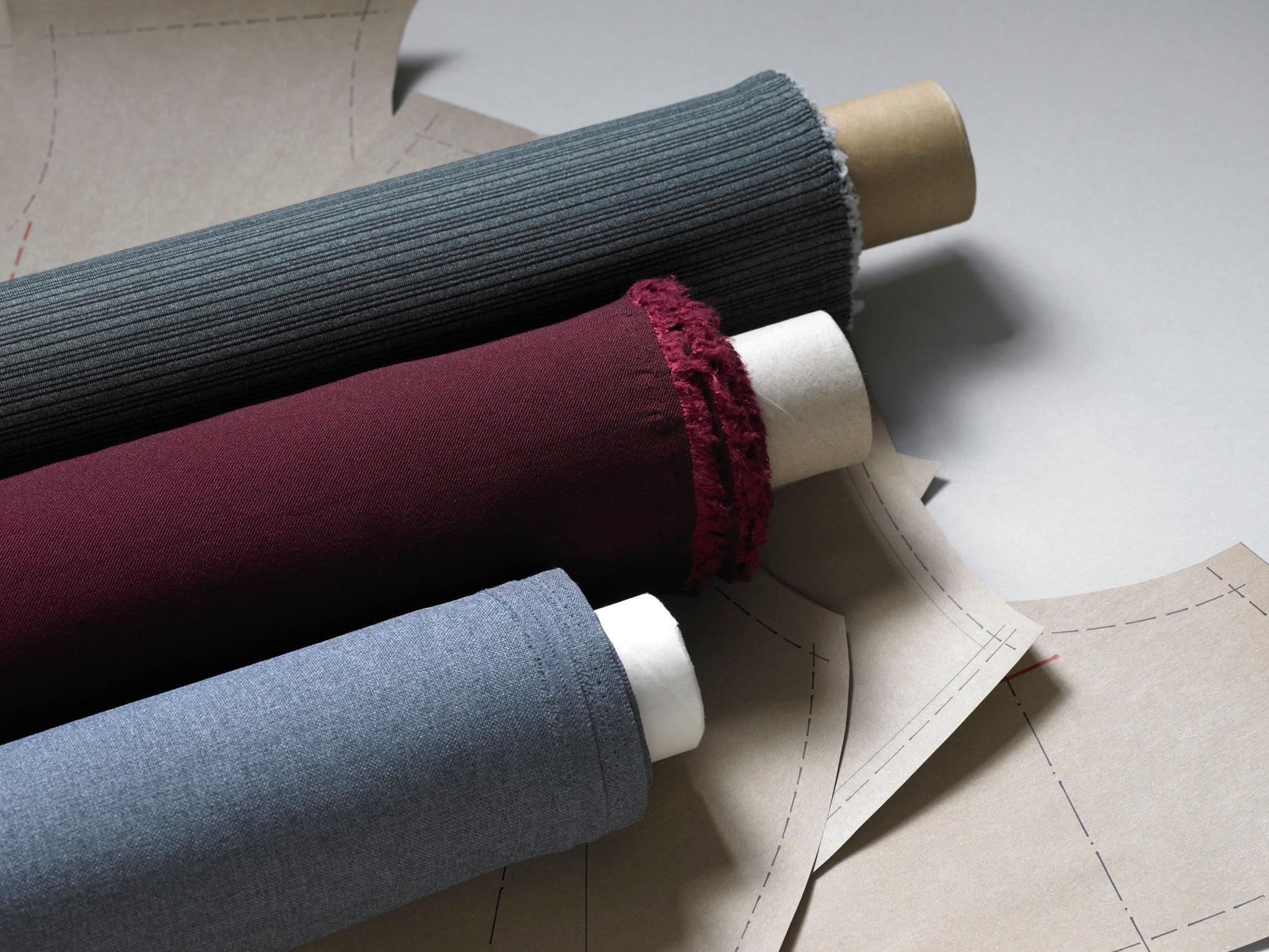
A stunning visual design can trigger a first purchase, but the tactile experience determines whether that customer ever returns. True longevity in apparel is built in the weight of the fabric, the neckline's resilience, and the hand-feel of the print.
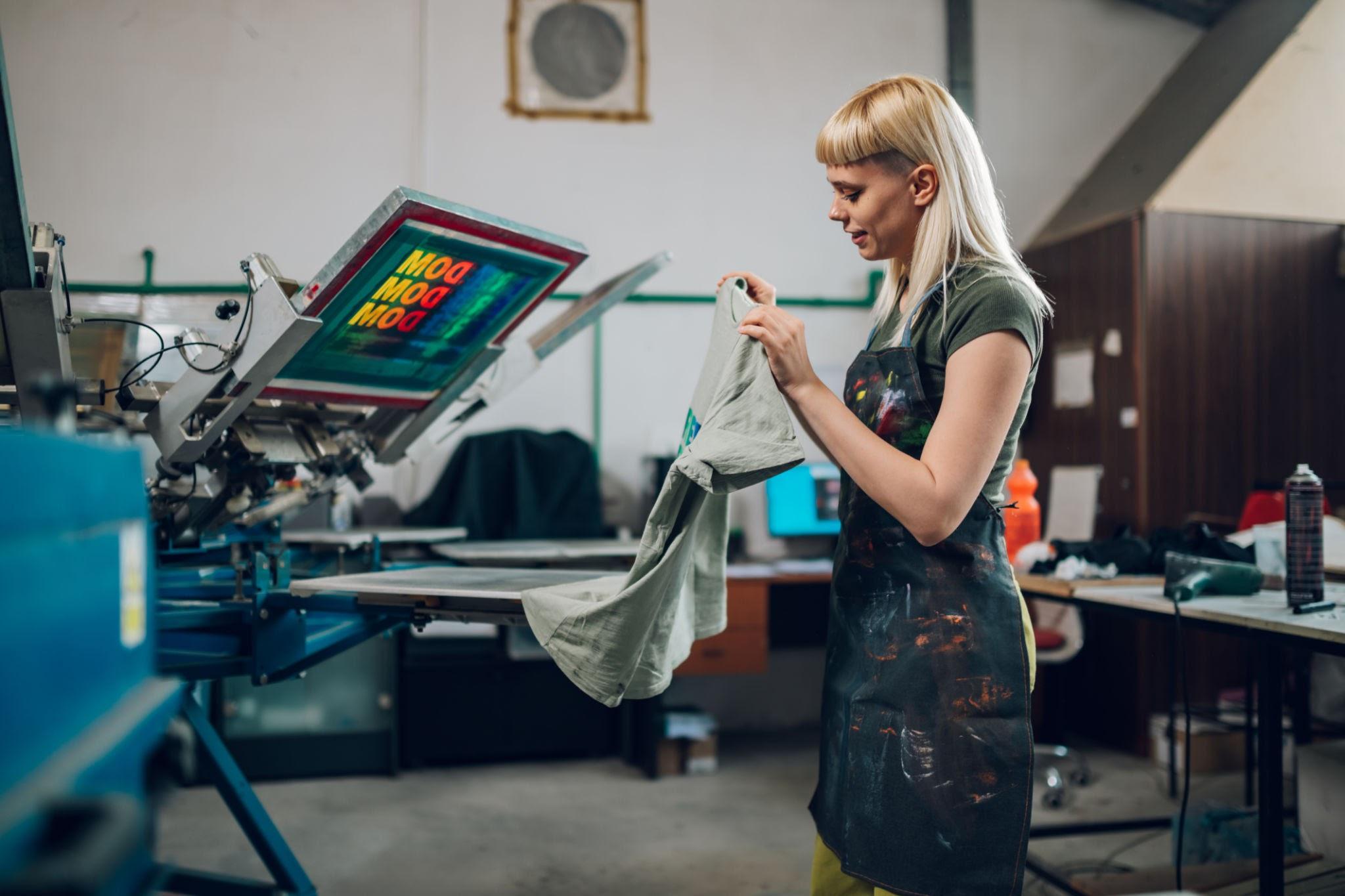
When engineering your collection, evaluate three critical factors: * Yarn Density: Heavyweight ring-spun combed cotton (ranging between 200 to 240 GSM for t-shirts, and 350+ GSM for hoodies) provides that structured, premium drape essential for modern streetwear silhouettes. * Colorfastness & Ink Adhesion: Advanced water-based inks sink directly into the fibers rather than sitting on top like plasticized shields, preventing cracking after repeat wash cycles. * Ergonomic Construction: Double-needle stitching on hems and pre-shrunk fabrics are non-negotiable details that separate disposable fast-fashion from timeless wardrobe staples.
3. Embrace Mindful, On-Demand Craftsmanship
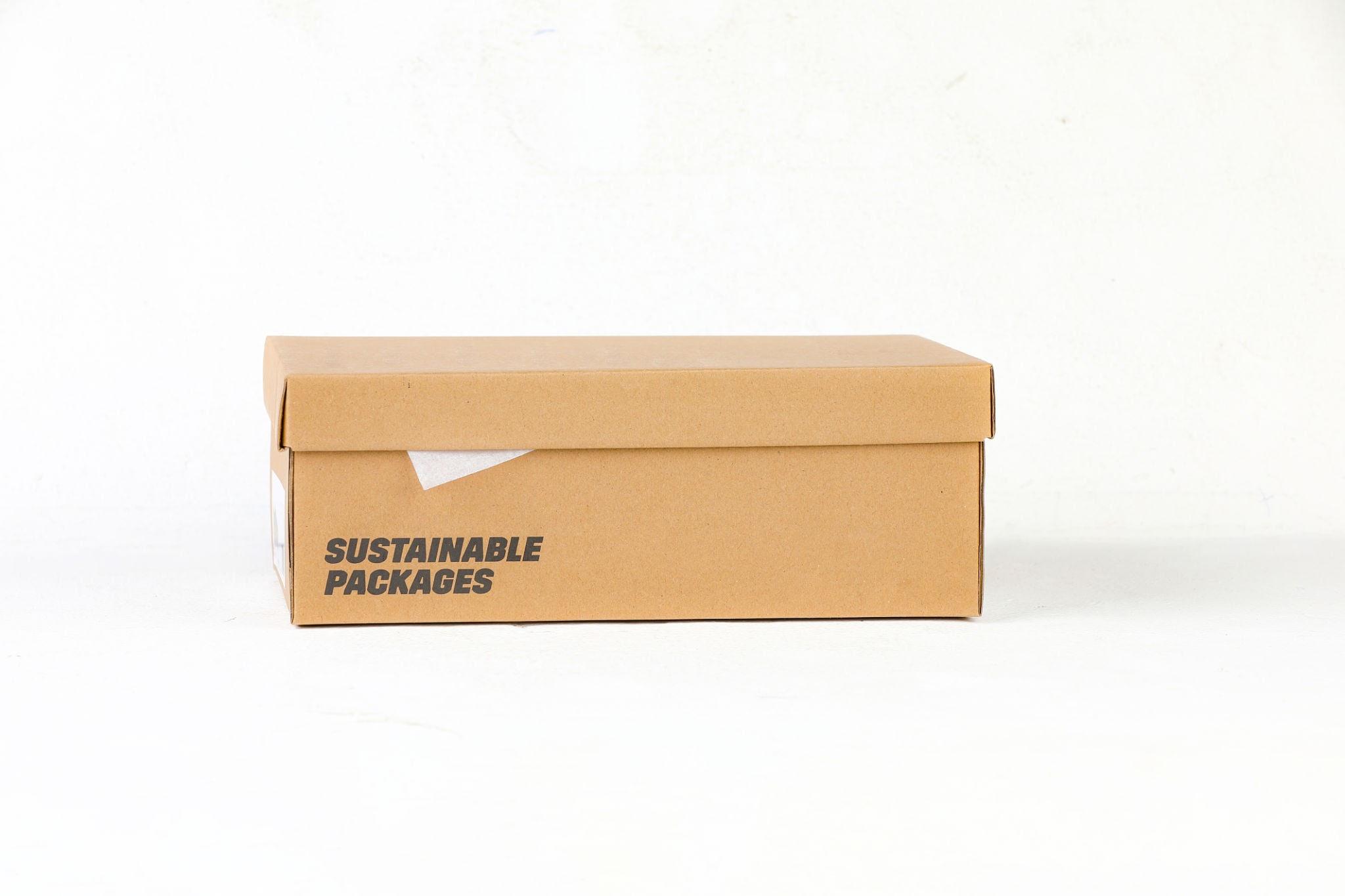
Holding pallets of unsold garments is an unnecessary operational risk. Modern luxury and streetwear disruptors are increasingly adopting conscious, made-to-order manufacturing models.
By partnering with dedicated fulfillment and textile hubs, each piece is brought to life only when requested by a customer. This modern operational workflow delivers clear advantages: * Zero Inventory Waste: Deadstock is eliminated completely, aligning your production footprint with sustainable consumer ethics. * Agility in Design Drops: You can test limited-edition capsules, experimental palettes, and bold graphics without the burden of upfront manufacturing minimums. * Consistent Quality Control: Automated, state-of-the-art facilities maintain exact color profiles and placement standards across every single order shipped nationwide.